When you need reliable, belt-driven performance at around 4 GPM, these options offer durable construction, solid pump choices, and practical maintenance features. This guide targets buyers seeking belt-drive setups for medium to heavy-duty cleaning tasks, from industrial contractors to facility maintenance teams. Each product is evaluated for who it suits best, common limitations, and why it stands out in a 4 GPM belt-drive category.
| Product | GPM | PSI | Best For |
|---|---|---|---|
| CANPUMP Belt Drive Pressure Washer (4000 psi, 4 GPM) | 4 | 4000 | Industrial cleaning, frequent use |
| General Pump Triplex Belt Drive (4000 psi, 4.0 GPM) | 4 | 4000 | Durable, budget-conscious projects |
| CAT Pumps Pressure Washer Pump (3500 psi, 4.5 GPM) | 4.5 | 3500 | Broad cleaning reach |
| NorthStar Easy Bolt-On Belt Drive (4000 psi, 3.5 GPM) | 3.5 | 4000 | Customizable setups |
| ANJIESENG Pressure Washer Pump (2900-4400 PSI, 4.0 GPM) | 4 | 2900-4400 | Adjustable residential to light-commercial tasks |
CANPUMP Belt Drive Pressure Washer: 4000 PSI, 4 GPM

Best for heavy-duty outdoor cleaning in workshops or job sites. This model uses a belt-driven system to lower pump speed, reducing wear and extending service life. The triple plunger pump supports extended operation with a detachable unloader valve for maintenance access. The engine is a Loncin unit delivering robust torque for continuous use. This is a solid choice for professionals who need reliable, lower-maintenance operation in high-demand environments.
- Best for: commercial contractors and facilities teams needing steady, long-running power.
- Why selected: belt-drive design minimizes heat and vibration, improving longevity under heavy use.
- Caution: freight shipping may add lead time; ensure proper clearance for installation.
General Pump Triplex Belt Drive Pressure Washer Pump

This 4000 PSI, 4.0 GPM pump uses a belt-drive configuration for cooler operation and longer life. It features solid ceramic pistons and premium bearings for durability in industrial cleaning. The belt-drive setup helps minimize motor wear and allows easier servicing when replacing components. Best for projects where uptime and reduced maintenance are priorities.
- Best for: sites needing a rugged, long-life pump with straightforward maintenance.
- Why selected: belt-drive design tends to run cooler and quieter than some direct-drive alternatives.
- Caution: ensure compatibility with your engine size and mounting arrangement.
CAT Pumps Pressure Washer Pump – 3500 PSI, 4.5 GPM

Cat Pumps offers a compact belt-drive option with 4.5 GPM flow for broader cleaning coverage. The pump is designed for reliability in commercial settings and supports a strong power balance between flow and pressure. Best for contractors who need a flexible performance range without over-specified power needs.
- Best for: general contracting work requiring strong cleaning power with a bit more flow.
- Why selected: belt-drive reduces wear on the pump and can improve service life in busy jobs.
- Caution: verify shaft size compatibility with your system before purchase.
NorthStar Easy Bolt-On Belt-Drive Pump
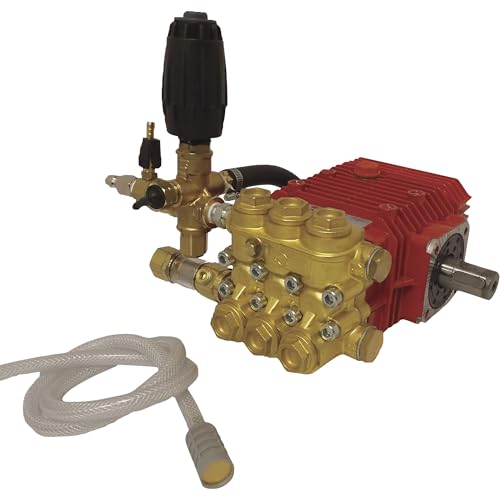
NorthStar’s belt-drive option is designed for easy bolt-on installation at 4.0 GPM with 4000 PSI capability. It is preplumbed and pretested, helping reduce installation time. Best for facilities that want a straightforward upgrade path or replacement pump with reliable belt-drive characteristics.
- Best for: upgrades or replacements where quick setup matters.
- Why selected: preplumbed and pretested helps ensure a smoother installation process.
- Caution: verify the 24mm shaft compatibility and mounting footprint with your existing setup.
ANJIESENG Pressure Washer Pump

ANJIESENG offers an adjustable working pressure range from 2900 to 4400 PSI at 4.0 GPM. The pump is described as a horizontal triplex plunger pump with solid shaft compatibility. Best for users who need a versatile option suitable for certain Generac, Simpson, and Karcher setups. It aims to balance performance with adaptability across engines from 9–15 HP.
- Best for: users needing adjustable pressure within a common residential-to-light-commercial window.
- Why selected: the voltage-like 2900-4400 PSI range supports multi-task cleaning without swapping pumps.
- Caution: confirm engine compatibility and model matching for your unit.
Buying Guide: Key Purchase Considerations
- Flow and pressure balance: 4 GPM with 3500–4000 PSI is standard for belt-drive setups aimed at medium to heavy cleaning.
- Drive type: belt-drive systems typically run cooler and with less wear than direct-drive counterparts; consider maintenance access and replacement parts.
- Engine compatibility: ensure engine displacement and horsepower align with the pump’s requirements to avoid underpowered or overworked units.
- Unloader design: external unloaders simplify maintenance and allow easier bypass adjustments for different cleaning tasks.
- Sizing footprint: verify mounting pattern, shaft size (often 24 mm or similar), and pump footprint to fit your machine.
- Material and construction: triplex plunger pumps with robust crankcases and brass heads offer durability in harsh cleaning environments.
- Serviceability: look for readily available replacement parts and serviceable components to minimize downtime.
FAQ
- What is the advantage of a belt-drive pump over direct-drive?
Answer: Belt-drive systems run cooler and put less stress on the pump, potentially extending life and reducing maintenance in heavy-use scenarios. - Is 4 GPM enough for heavy-duty cleaning?
Answer: Yes, for many commercial tasks such as driveways, siding, and workshops, 4 GPM with appropriate PSI handles tasks efficiently. - Can these pumps fit various engine sizes?
Answer: Most models are designed to match mid-range engines (around 9–15 HP). Always confirm engine compatibility with the model’s specifications. - What maintenance is required for belt-drive pumps?
Answer: Regular checks of belt tension, lubrication of moving parts, and cleaning or replacing unloader components as needed. - Are external unloaders necessary?
Answer: External unloaders simplify adjustments and maintenance, but not all setups require them depending on the design.