Best Blanks for Electrical Panel: Top Filler Plates and Covers for Safe, Neat Installations
When wiring panels, keeping unused spaces properly covered is essential for safety, dust protection, and a tidy appearance. The right filler plates and panel blanks can seal openings, prevent accidental contact with energized parts, and help maintain standardization across equipment. Below are five highly relevant options designed for different panel brands and inch sizes, along with practical buying guidance to help you choose the best fit for your electrical load center.
| Product | Brand | Sizes / Fit | Notes |
|---|---|---|---|
| 1 Inch Breaker Filler Plate | EAORBD | 1 Inch | Includes electrical panel labels; universal fit for 1″ positions |
| 3/4 Inch Breaker Filler Plate | EAORBD | 3/4 Inch | Universal fit; with labels |
| 0.7 Inch Breaker Filler Plate | EAORBD | 0.7 Inch | QO/GE compatibility; with labels |
| 1 Inch Universal Breaker Filler Plate | EAORBD | 1 Inch | For Square D QO/InQO and GE panels; with labels |
| 10-Pack Breaker Panel Fillers | Pongle / EAORBD | Multiple packs; various sizes | Includes labels; easy installation |
EAORBD 1 Inch Breaker Filler Plate

The 1 Inch Breaker Filler Plate from EAORBD is designed to seal unused 1-inch positions in common load centers. It helps maintain the integrity and safety of the panel, prevents dust and debris intrusion, and reduces the risk of accidental contact with energized parts. The plate is manufactured from high-quality insulating materials that resist fire, moisture, and wear, making it suitable for diverse electrical environments. Included electrical panel labels support quick identification and organized layouts.
EAORBD 1 Inch Breaker Panel Cover With Labels

This 1 Inch Breaker Panel Cover from EAORBD is tailored for universal fitment across standard 1″ breaker positions. It includes circuit breaker labels to help identify circuits quickly, and the filler plate assembly maintains the overall aesthetic and safety of the panel. The construction emphasizes insulating materials with good fireproof, moisture-proof, and wear-resistant properties, providing durable performance in demanding electrical installations.
EAORBD 3/4 Inch Breaker Filler Plate

The 3/4 Inch Breaker Filler Plate from EAORBD is designed for use in Square D InQO and GE panels. It includes label stickers for easy circuit identification and helps maintain the load center’s integrity by preventing dust ingress and protecting energized components. It is built from high-quality insulating materials and offers durability in environments with varying temperatures and humidity levels.
EAORBD 0.7 Inch Breaker Filler Plate
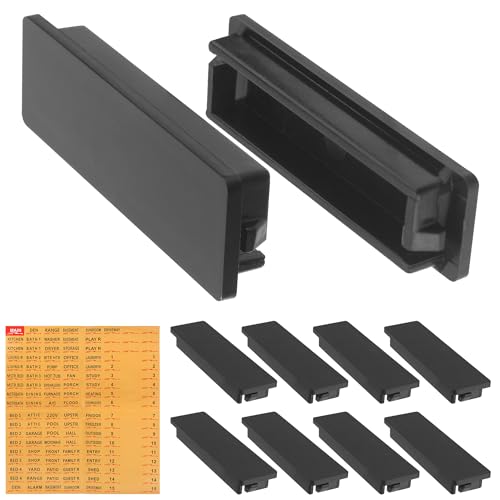
This 0.7 Inch filler plate from EAORBD is compatible with Square D QO and similar panels, offering a neat and secure blank for unused positions. It comes with electrical panel label stickers to simplify circuit mapping and ensure clear organization. The plate’s material is engineered for longevity, featuring fireproof and moisture-resistant properties suitable for challenging electrical installations.
Pongle Square Breaker Panel Cover Pack
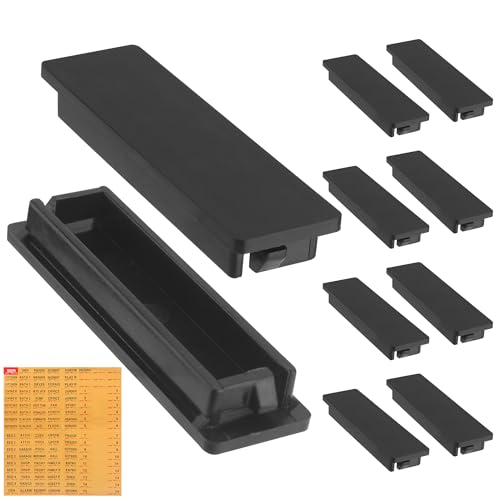
Designed for Schneider Electric Square D QO panels, this 10-pack offers reliable filler plates that maintain load center integrity and appearance. The high-quality insulating plastic resists abrasion and moisture, ensuring durability in complex electrical environments. Installation is straightforward, with no special tools required, and the set provides a quick, uniform solution for multiple blank positions.
EAORBD Eaton Breaker Filler Plate Pack
The Eaton-compatible filler plate pack includes 1-inch fillers with panel label stickers to help identify circuits efficiently. The plates are designed to block vacant breaker slots, protect energized parts from dust and debris, and ensure safe operation. They are molded from durable plastic with strong mechanical properties to endure long-term use in demanding environments.
Buying Guide: Key Purchase Considerations
Choosing the right filler plates and panel blanks involves understanding panel type, slot size, and compatibility. Consider these factors to ensure a secure, durable fit and clean installation:
- Panel compatibility: Confirm the filler plate is designed for your panel brand and model (e.g., Square D QO, GE, Eaton, InQO). Incompatible sizes can leave gaps or cause engagement issues with surrounding components.
- Slot size: Measure the unused positions (common sizes include 1 inch, 3/4 inch, and 0.7 inch). Using the correct size prevents movement and ensures proper sealing against dust and debris.
- Material quality: Look for high-quality insulating plastics with fireproof and moisture resistance. Durable fillers last longer and reduce maintenance needs in challenging environments.
- Labels and labeling: Choose fillers with included labels or compatible labeling kits to speed up circuit mapping and improve safety and organization.
- Installation ease: Prefer designs with straightforward installation, such as plates with end tabs or snapping mechanisms, to minimize tool use and installation time.
- Aesthetics and standardization: A uniform blanking solution improves panel appearance and can help maintain warranty requirements or technician standards across installations.
- Quantity and coverage: If you manage multiple panels or have several unused slots, a multi-pack can offer better value and consistent appearance across all locations.
Additional Perspectives
In evaluating fillers, consider whether you need universal fit capabilities across multiple brands or a closer brand-specific fit. Some users prefer comprehensive labeling kits to streamline maintenance procedures, while others prioritize ultra-durable materials for outdoor or harsh indoor environments. Take into account climate exposure, potential exposure to moisture, and the likelihood of accidental contact with energized parts when selecting a filler plate system.
Installation Tips
- Turn off the main power and discharge any residual voltage before handling the panel.
- Clean the panel surface before applying filler plates to ensure a snug fit.
- Align the filler plate with the surrounding breakers to avoid gaps.
- Use the provided labels to document circuit designations for quick future reference.
- Inspect periodically for wear, cracking, or loosening, especially in damp or dusty environments.