Choosing a dependable power cord is essential for uninterrupted CPAP therapy. The right cord should be compatible with your ResMed or Philips Respironics device, provide stable 24V output, and include safety protections. This guide highlights five top options that balance safety, efficiency, and compatibility across common CPAP models. Each pick is evaluated on build quality, certification, and ease of use to help you compare without guesswork.
Summary table of selected products:
- HKY Replacement ResMed AirSense 10 Power Supply (TFDirect) – 90W, wide compatibility
- HKY Replacement ResMed AirSense 11 Power Supply – 65W, versatile across AirSense 11 series
- NENASEW 90W AC Adapter Replacement for ResMed AirSense 10 – UL certified, 24V output
- Arkare ResMed AirSense 10 Power Cord Replacement – 90W, wide model compatibility
- TAIFU ResMed AirSense 11 Power Cord – 65W, comprehensive compatibility
Best Power Cord For ResMed AirSense 10 And Similar CPAP Models

HKY Replacement ResMed AirSense 11 Power Supply

NENASEW 90W AC Adapter For ResMed AirSense 10

Arkare ResMed AirSense 10 Power Cord Replacement
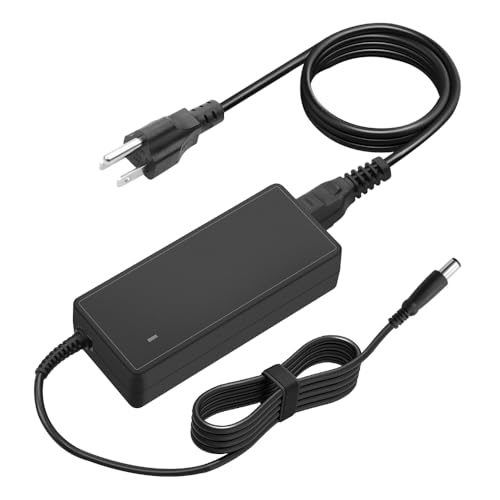
TAIFU ResMed AirSense 11 Power Cord

Buying Guide: Key Considerations When Choosing a CPAP Power Cord
Compatibility: Ensure the cord supports your CPAP model family (AirSense 10, AirSense 11, Lumis VPAP, DreamStation, etc.). Look for wide compatibility listings that cover multiple ResMed and Philips Respironics series to future-proof the purchase.
Wattage and Voltage: Confirm the adapter delivers the correct output, typically 24V for many CPAP devices. Check wattage (e.g., 65W or 90W) to match your device’s power needs and avoid underpowered cords.
Safety Certifications: Prioritize UL, CE, and RoHS certifications. Built-in protections such as overvoltage, overcurrent, short-circuit, and overheating safeguards reduce risk to both the device and user.
Build and Cable Quality: Look for insulated, tinned cables with robust connectors. A longer cable can improve placement flexibility in bedrooms, but ensure the DC output remains stable and within spec.
Warranty and Support: A longer warranty (e.g., 3–5 years) and accurate product labeling help reduce downtime if a cord fails. Reputable sellers often offer quick replacements or exchanges.
Safety and Cooling: Some cords include internal cooling or protective features to maintain safe temperatures during prolonged use. This reduces the chance of overheating during longer sleep sessions.
Ease of Use: Consider magnetized or clearly labeled polarity and connector types to simplify setup, especially for new CPAP users or caregivers who assist daily.