Best PVC Cement for Electrical Conduit: Top Picks for Reliable Joints
Choosing the right PVC solvent cement for electrical conduit is essential for a durable, code-compliant installation. The best options offer strong bond, appropriate setting time, low VOC formulations, and good gap-filling properties to ensure leak-free conduit joints. The products below are popular choices for electrical conduit work, balancing performance with ease of use in demanding conditions. The list focuses on medium-bodied cements suitable for PVC types I and II and a range of conduit sizes.
Quick Pick Summary
| Product | Brand | Key Benefit | Notes |
|---|---|---|---|
| Rectorseal 55985 Quart | Rectorseal | Low VOC, medium body, good gap filling | Clear or gray available |
| Rectorseal 55901 1/4 Pint | Rectorseal | Regular body, faster setting, NSF/LEED | PVC and ABS to PVC transitions |
| Rectorseal 55996 Quart Gray | Rectorseal | Medium body, color-matching gray option | LEED compliant |
| Weld-On 10098 705 | WELD-ON | Industrial grade, fast-setting, low VOC | Gray |
| Weld-On 10093 705 | IPS | Medium-bodied, high strength, low VOC | Clear option available |
Rectorseal 55985 Quart Clear PVC Conduit Cement

The 633L PVC electrical solvent cement from Rectorseal is a medium-bodied cement designed for PVC types I and II up to 6 inches, suitable for schedule 40 and 80 conduit. It is available in clear or gray to match conduit color. The under-lid daubers facilitate precise application, reducing solvent runoff. The formula supports a medium-fast set, allowing for minor corrections before setting, and it offers excellent gap-filling characteristics. This product is LEED compliant, making it suitable for projects aiming for green building certifications.
Rectorseal 55901 1/4 Pint 404L Regular Body Low VOC PVC Solvent Cement

This 404L low VOC solvent cement from Rectorseal is a versatile option for joining PVC pipe and socket-type fittings, including transitions from ABS to PVC. It features under-lid dobbers for easy application and is formulated for a faster setting—ideal where quick makeup time matters for smaller diameter pipe. NSF approved for potable water and LEED compliant, it has a long shelf life of up to two years and is designed for reliable electrical conduit installations where a strong, fast-setting bond is required.
Rectorseal 55996 Quart Gray PVC Conduit Cement

The 633L low VOC conduit cement in gray from Rectorseal provides a medium body cement suitable for PVC types I and II up to 6 inches. The gray color helps match conduit aesthetics, and the product includes durable under-lid daubers for clean application. Like the other 633L formulations, it offers reduced runoff, a medium-fast setting window for adjustments, and LEED compliance, making it a dependable choice for conduit joints in various environments.
Weld-On 10098 705 Industrial Grade PVC Cement

Weld-On 10098 is an industrial-grade PVC solvent cement designed for a range of applications including irrigation, DWV systems, PVC foam core, and electrical conduit. It features a medium-bodied, high-strength gray cement with fast-setting properties and a low-VOC formulation to reduce solvent emissions. The product is crafted for reliability in demanding conduit installations, offering robust bond performance and improved handling in challenging environments.
Weld-On 10101 705 Industrial Grade PVC Cement
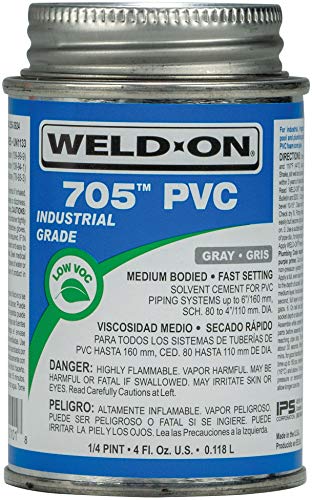
Note: This section references a related product with the IPS brand offering a similar industrial-grade PVC cement. It is medium-bodied, high-strength, and designed for fast setting with low VOC benefits. This option provides an alternative for users who may prefer IPS formulations or need a parallel solution for larger conduit work. Always verify the exact product code and VOC rating before purchase to ensure compatibility with local codes and project requirements.
Cantex Conduit Outlet Body Option

This product is a conduit outlet body rather than a cement, but serves as a related accessory in conduit runs. It provides a practical Consideration for when conduits require a protective termination or access point. It complements cement selections by enabling robust, compliant conduit installations when used with appropriate solvent cement bonds for joints and fittings.
Buying Guide: Key Purchase Considerations
- Bond strength and flow: Choose a medium-bodied cement for a balance between smooth application and strong joints in conduit connections.
- VOC content and safety: Low-VOC formulas reduce solvent emissions, improving air quality during and after installation.
- Setting time: Consider the makeup time you need; faster sets help schedule efficiency, but slower sets allow more correction time.
- Color and visibility: Clear cements blend with transparent conduits; gray cements match gray conduit styles for aesthetics and inspection clarity.
- Code compliance: Look for NSF approval for potable water applications or LEED compliance for green building projects, as applicable.
- Application features: Under-lid daubers or similar applicators can improve accuracy and reduce waste on tight conduit joints.
- Compatibility: Ensure the cement supports the PVC types and sizes used in your electrical conduit system, including transitions to ABS if needed.
- Shelf life and storage: A long shelf life and proper storage maintain cement performance over time; check packaging for storage recommendations.
- Environmental considerations: For indoor electrical conduit work, low-VOC options help meet indoor air quality standards and project requirements.
When selecting a PVC cement for electrical conduit, prioritize products with reliable setting behavior, good gap-filling properties, and codes-compliant formulations. The options listed above cover common conduit sizes and job conditions, offering choices across color, setting speed, and VOC considerations to fit a variety of projects.