Best Thermal Switches for Fans: Top Picks for Safe Cooling
Choosing the right thermal switch for a fan project or appliance ensures reliable protection and efficient cooling. The following picks cover a range of temperatures, voltages, and installation styles to suit hobby builds, home HVAC, or fireplace blower systems. Each product section includes practical details, compatibility notes, and what to consider when selecting a switch for your application.
| Product | Brand | Type / Activation | Key Feature |
|---|---|---|---|
| Awozkcd KSD301 Shutoff Thermostat | Awozkcd | Normally Open, 40°C On / 30°C Off | UL&CUL approved, 16A/250V, wide voltage compatibility |
| BoyoTec Wood Stove Thermostat | BoyoTec | Snap Disc, 100°F On / 85°F Off | Durable, high-temperature switch for fireplace blowers |
| LCWRGS Fan Thermostat Switch | LCWRGS | 3/8″ NPT, 185°F On / 175°F Off | Broad fan compatibility, 10″–16″ blades |
| Midwest Hearth Thermal Fan Switch | Midwest Hearth | 115°F On / 90°F Off | Dedicated fireplace blower control, proven design |
| Anxingo 3/8″ 185°F On / 170°F Off | Anxingo | 3/8″ NPT, 185°F On / 170°F Off | Versatile engine cooling and radiator applications |
Note: The list above reflects a mix of general-purpose and specialized thermal switches suitable for fans ranging from electronics cooling to fireplace blowers. Consider the target temperature range, mounting style, connector type, and compatibility with your power supply when selecting a unit.
Awozkcd UL/CUL KSD301 Shutoff Thermostat

The Awozkcd KSD301 is a bi-metal snap-disk switch designed for precise thermal control in exhaust or ventilation fans. It operates with a Normally Open (N.O) contact, turning the circuit on at 40°C (104°F) and off at 30°C (86°F), with a typical tolerance of ±3°C. The device is UL and CUL approved, indicating a recognized safety standard for North American installations. It supports a broad voltage range, including AC110V/120V/125V at up to 16A and certain DC circuits up to 24V with appropriate ratings.
Key considerations include the N.O activation type for simple fan-on behavior, the moderate 3.5 mm contact size for reliable switching, and the EMS bimetal disc construction that provides quick response to temperature changes. This switch is suitable for exhaust fans, air handling, or other cooling applications where the fan should start at a safe elevated temperature and stop when temperatures drop. For DIY projects, confirm the mounting hole compatibility and electrical clearance with your enclosure and wiring plan.
ElecGear Replacement Internal Cooler Fan Kit
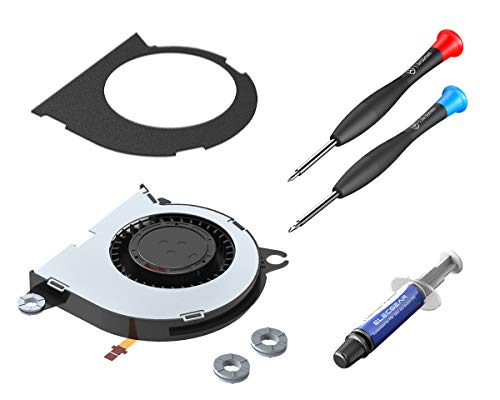
This listing features a complete fan replacement kit for Nintendo Switch cooling, including a high-performance fan with up to 8800 RPM and enhanced noise reduction features. While primarily aimed at electronic device cooling, the kit demonstrates how high-precision, reliable fans are paired with improved thermal management components. The package includes a robust fan, a refined mounting system with shockproof feet, and an enhanced thermal paste kit for solid heat transfer. The broader takeaway is the importance of pairing a capable fan with a dependable thermal switch—whether as part of a device or a larger system—so that temperatures stay within safe limits and noise remains minimized.
BoyoTec Wood Stove Thermostat Switch

The BoyoTec thermostat is designed for fireplace blower fans, delivering a reliable ON at 100°F and OFF at 85°F. The thermostat is rated for durable operation and is built to endure high-temperature cycling, with a stated lifespan over 100,000 operations under normal usage. This makes it suitable for continuous-use fireplace blowers, wood stoves, and related heating appliances where maintaining comfortable room temperature and facilitating proper combustion airflow are important. When selecting this switch, ensure compatibility with your blower’s electrical load and the mounting environment around a fireplace or stove.
Fan Thermostat Temperature Switch 3/8″ 185°F

This switch is a 3/8″ NPT threaded thermostat designed for 10″ to 16″ fans. It activates at 185°F and deactivates around 175°F, providing a straightforward cooling-control solution for automotive radiators, engine cooling fans, or other equipment requiring higher-temperature protection. The broad compatibility with various fan sizes makes it a versatile option for DIY cooling projects or auxiliary cooling systems in vehicles or machinery. Pay attention to the NPT threading and ensure proper sealing and mounting on your device’s cooling path to prevent leaks or vibration issues.
Midwest Hearth Thermal Fan Switch

The Midwest Hearth switch controls a fireplace blower with a simple, reliable ON at 115°F and OFF at 90°F sequence. This device is designed specifically for fireplace or stove blower applications, offering a compact, center-disk thermostat with a straightforward operating principle. It’s suitable for chimney heaters, pellet stoves, and related systems where maintaining draft balance and distributing warm air is important. When selecting this unit, verify compatibility with the blower’s amperage and the firebox environment to ensure insulation and wiring meet safety expectations.
Lunwag Switch Sensor Radiator Fan Thermostat

The Lunwag sensor focuses on radiator or vehicle-style fans with a broad fit for various Polaris models. It provides a precise temperature-triggered switch to control a blower or radiator fan, useful in automotive or craft applications where engine cooling or climate control is necessary. Compatibility notes highlight multiple Polaris models and a need to verify OEM part numbers and fitment. For practitioners, this emphasizes the importance of matching physical thread size and electrical rating to the target hardware and ensuring the wiring harness aligns with your vehicle’s electrical system.
Adviace Magnetic Automatic Thermostat Sensor

The Adviace magnetic thermostat switch is designed for fireplace and stove blower fans, with a high-temperature rating and supplied wiring: two strands of heat-tolerant wire totaling 55.5 inches. The magnetic, snap-disc design allows for easy mounting and quick response to temperature changes, while the included wiring and terminals simplify integration into existing blower kits. This option is particularly appealing for retrofit projects where magnetic attachment and extended wiring length reduce the need for invasive wiring work. When selecting, confirm the maximum current handling and ensure the wire gauge supports your blower load.
Buying Guide: Key Purchase Considerations
- Temperature setpoints: Match ON and OFF temperatures to the target device’s operating range. A narrow hysteresis reduces chatter, while a wider spread can prevent nuisance cycling in variable environments.
- Electrical ratings: Verify voltage, current, and load type (AC vs DC) align with your fan or blower. Always overspec slightly to accommodate startup surges and safety margins.
- Mounting and connections: Check thread size (NPT vs standard screw), terminals, and enclosure space. Ensure the switch can be mounted securely in a heat-intensive area without contact with hot surfaces.
- Safety approvals: UL, CUL, or other safety certifications indicate adherence to recognized standards. This is especially important for HVAC and fireplace installations.
- Reliability and cycle life: Look for devices rated for high operation counts if the fan will cycle frequently. Durable materials and sealed designs help in dusty or outdoor environments.
- Application fit: Some switches are designed specifically for fireplaces and stoves, while others target general electronic cooling or automotive cooling fans. Confirm compatibility with your use case and mounting hardware.
- Maintenance and replacements: Consider whether a modular kit or a stand-alone switch fits your maintenance approach. Some products include extra wiring or mounting hardware to ease retrofits.
Using the right thermal switch enhances fan performance by starting and stopping at appropriate temperatures, reducing energy use, and protecting components from overheating. Whether you are upgrading a fireplace blower, a vehicle radiator fan, or a DIY cooling project, evaluate the temperature range, electrical ratings, and mounting options to select a unit that delivers reliable, safe operation.