Best Thermostat for Electric Wall Heater and Why It Suits Your Space
Choosing the right thermostat and heater combination can maximize comfort and energy efficiency in every room. Below are five top-rated electric wall heater options with built-in or compatible thermostats, designed to deliver reliable warmth, easy control, and smart features for American homes. This guide highlights key specs, control capabilities, and installation notes to help you compare effectively.
| Product | Brand | Voltage / Wattage | Key Feature |
|---|---|---|---|
| Cadet Com-Pak Electric Wall Heater Complete Unit With Thermostat (CSC151TW) | Cadet | 120V / 1500W | Compact unit with built-in thermostat |
| Cadet Com-Pak Electric Wall Heater Complete Unit (CSC202TW) | Cadet | 240/208V / 2000W (max) | Higher capacity for larger spaces |
| Dreo Smart Wall Heater WH719S | Dreo | 120V / 1500W | Wide oscillation, app & voice control |
| Mysa Smart Thermostat LITE | Mysa | 120V-240V baseboard compatible | Wi-Fi programmable, HomeKit/Alexa/Google |
| GiveBest Electric Wall Heater | GiveBest | 1500W (typical) | Remote WiFi control, multiple mounting options |
style=”visibility:hidden; height:0; overflow:hidden;”>Summary: This article covers five heaters with built-in or compatible thermostats, balancing capacity, smart control, and installation flexibility for electric wall heating needs.
Cadet Com-Pak 120V 1500W With Thermostat

The Cadet Com-Pak CSC151TW integrates a compact wall heater with a built-in thermostat, designed for a quick install in small rooms. At 120 volts and up to 1500 watts, it delivers steady heat for spaces around 100-150 square feet depending on insulation. The unit is ideal for bathrooms, offices, or bedrooms where a discreet warming solution is preferred. The built-in thermostat simplifies control, reducing the need for separate thermostats and wiring complexity.
Key features include straightforward operation, efficient heat delivery with a centrifugal-style fan, and dependable safety controls. For retrofits or new installations, this Cadet model can fit in tight wall cavities and blend with typical American decor. Consider pairing with a compatible control strategy if you require smart scheduling or remote access.
Cadet Com-Pak 240V/208V High-Capacity Unit CSC202TW
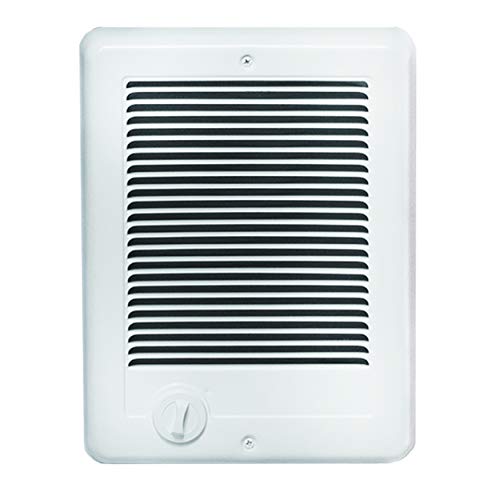
This high-capacity Cadet CSC202TW model supports 240/208-volt service with 6825/5120 BTU outputs, offering flexible wattage up to 2000/1500 watts. It is well-suited for larger rooms or areas with cooler climates. The unit supports ceiling installation where appropriate and remains energy-conscious with built-in safety features that automatically respond to abnormal temperatures. Elevation considerations apply for optimal performance, and the model is designed for quiet, unobtrusive operation.
Users benefit from efficient heating distribution via a fan-assisted element, providing even warmth and minimizing cold spots. This is a solid choice for spaces where a single wall heater must manage more demanding heat loads.
Dreo Smart Wall Heater WH719S

The Dreo WH719S combines a compact wall heater with smart features and a broad heating profile. It delivers even warmth through 120° vertical oscillation, ensuring faster comfort across rooms. The adjustable thermostat supports a wide range, and the included remote control, mobile app, and voice assistant compatibility (Alexa/Google) enable flexible scheduling and control. The unit emphasizes energy efficiency, with options to optimize temperature settings while keeping noise levels low for bedrooms or home offices.
Considerations include compatibility with smart home ecosystems, the need for reliable Wi-Fi in the installation area, and ensuring the wall space can accommodate the oscillation range without obstruction. This model is ideal for tech-savvy households seeking convenient, app-based control.
Mysa Smart Thermostat LITE
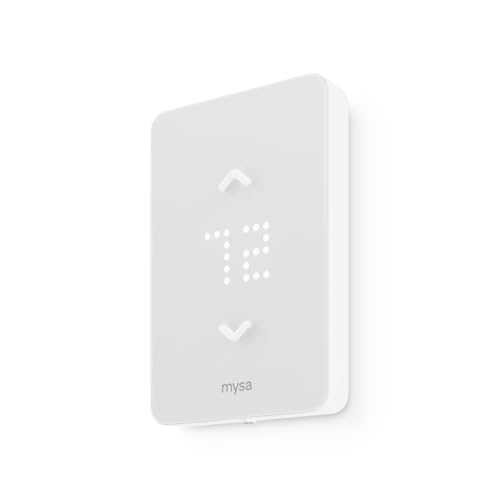
The Mysa LITE is a line-voltage smart thermostat designed for 120V-240V electric baseboard heaters, wall heaters, and similar convectors. It enables Wi-Fi programming, energy monitoring, and remote control via a dedicated app. It supports popular ecosystems such as HomeKit, Alexa, and Google, enabling voice commands and automation routines. The thermostat helps users save energy by enabling per-day and per-room schedules, occupancy-based adjustments, and energy reports, all without ongoing subscription fees.
Installation considerations include compatibility with line-voltage wiring, a potential need for a compatible heater with a built-in or compatible transformer, and ensuring your electrical box can accommodate the device. This option is ideal for users seeking a modern, seamless way to manage heating through smart automation.
GiveBest Electric Wall Heater With WiFi

The GiveBest wall heater combines floor or wall mounting options with WiFi and remote control for flexible installation. It features three heating modes and a 1500W quick-heating element, along with a precise thermostat to maintain comfort. The design supports portable use and can heat larger rooms when installed on the wall, then relocated if needed. Its ECO mode helps conserve energy by automatically adjusting heat output around the target temperature.
Pros include versatile mounting, remote access for preheating, and straightforward operation. Consider space constraints, as well as compatibility with your smart home setup for voice or app-based control. This model is a practical fit for living rooms, bedrooms, or home offices requiring adaptable placement and modern controls.
Buying Guide: Key Purchase Considerations
- Room size and heating load: Match heater wattage and BTU ratings to the room for efficient comfort without oversizing.
- Thermostat type: Built-in thermostats simplify installation, while smart thermostats offer automation, energy insights, and remote control.
- Voltage compatibility: 120V units fit most standard outlets; 208/240V models support higher capacities for larger spaces but may require dedicated wiring.
- Control features: Remote, app control, voice compatibility, and scheduling can reduce energy waste and improve convenience.
- Noise and airflow: Consider fan-driven units if you need quick warmth; quiet models are preferable for bedrooms and studies.
- Installation considerations: Wall vs. floor mounting, clearance, and electrical box size affect placement and safety.
- Smart home integration: If you use Alexa, Google Assistant, or Apple HomeKit, choose models with compatible ecosystems for seamless automation.
- Energy efficiency: Look for thermostats with programmable schedules, ECO modes, and energy usage reports to optimize costs over time.
- Safety and durability: Overheat protection, auto shutoff, and durable housings help ensure safe operation in bathrooms or damp areas.
When selecting a combination, weigh whether you prefer a compact, integrated heater with a built-in thermostat or a separate thermostat that can control multiple heaters across rooms. Consider future needs, such as expanding to multiple zones or adding voice control, to choose a system that remains versatile over time.